China Was Supposed to Catch Up to Starlink This Year: What’s the Situation?

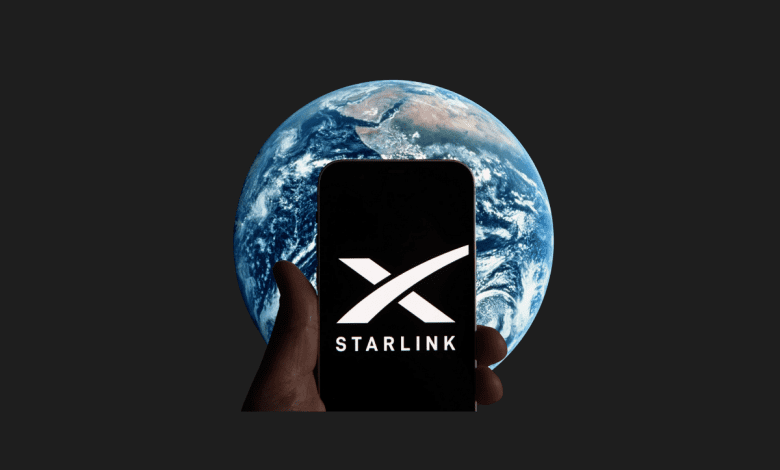

China was expected to counter Elon Musk’s Starlink satellite internet network this year. However, both their Qianfan and Guowang satellite networks are significantly behind in the race.
With over 11,000 satellites in Low Earth Orbit (LEO), SpaceX is by far the fastest player in this competition. China had planned to make its move against Starlink this year and begin catching up to its rival. However, things are not going as expected.
SpaceX’s Starlink network, with its massive fleet of approximately 8,000 satellites, has established a significant dominance in orbital internet and communication infrastructure. China’s two major satellite networks, developed to rival Starlink, have fallen considerably behind schedule. In fact, China’s Starlink competitors possess only 120 satellites in Low Earth Orbit.
Ambitious Start, Slow Progress

The plans of Chinese companies were quite ambitious. The Qianfan constellation, developed by Shanghai Spacesail Technologies Co., aimed to reach 648 satellites by the end of 2025. However, only 90 satellites have been deployed into orbit to date. Furthermore, 13 of these satellites failed to reach their intended altitude, meaning they might be non-functional. The company plans to deploy over 15,000 satellites by 2030. However, to achieve this goal, Yuanxin needs to launch at least 30 satellites every month.
Another major network, Guowang, plans to deploy 13,000 satellites within the next 10 years. Yet, only 34 satellites are currently in orbit. The GIFs above compare Starlink with Chinese companies.
These figures indicate that China lags by less than 1% in terms of satellite count. The overall target for Chinese companies is to reach approximately 30,000 satellites.

Why Is Starlink Ahead?

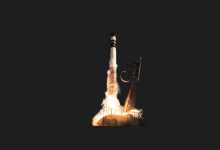
The primary reason for China’s lagging behind is the delay in reusable rocket technology. SpaceX’s Falcon 9 rocket can land vertically and be reused, which reduces costs and increases launch frequency. The Falcon 9 has been used in approximately 500 missions to date.
China, on the other hand, still relies on expendable rockets. After each launch, parts either fall back into the atmosphere or contribute to space debris. This creates a serious disadvantage in terms of logistics and cost.
China’s efforts to produce reusable rockets are still in the testing phase. While models like Long March 10 with 8R, Zhuque-3, and Tianlong-3 are being developed, they have not yet reached a level that can compete with SpaceX. The expendable rockets currently used by China can typically carry only 18 satellites. The lack of reusable rockets is not the only limitation. Satellite production is a complex and time-consuming process, and even with reusable rockets, establishing a regular launch rhythm is challenging.
Despite technical difficulties, China is not giving up. Spacesail has signed agreements for internet services with countries like Brazil, Thailand, Malaysia, and Kazakhstan. The agreement in Brazil happened immediately after Starlink’s assets in the country were frozen. However, most of these services are not yet operational.
Despite the problems, it’s still possible for China to achieve a record number of launches this year. China accelerated its pace by conducting over 30 launches in the first half of the year. According to data, approximately 150 satellites and two spacecraft were sent into space during these missions. This number includes launches to low, medium, and distant orbits.
However, even this acceleration is not enough. According to International Telecommunication Union (ITU) rules under the United Nations, a constellation must launch half of its satellites within five years and all of them within seven years of its application to secure frequency rights. Companies that fail to meet these conditions may have to settle for fewer satellites.
Do you think China will be able to overcome these technical hurdles and catch up to Starlink in the coming years?
You Might Also Like;